Types of T-Shirt Printing Methods: A Beginner's Guide
Part of our guide: What Is DTF Printing? A Complete Beginner's Guide for India
The main types of T-shirt printing methods are screen printing, DTF (direct-to-film), DTG (direct-to-garment), sublimation, heat transfer vinyl, puff printing and embroidery. Screen printing suits big orders of simple designs, DTF and DTG suit small orders of detailed art, sublimation suits light polyester, vinyl suits names and numbers, and embroidery gives a premium stitched look. Below is a short explanation of each, one master table to compare them, and a simple way to choose.
1. Screen printing
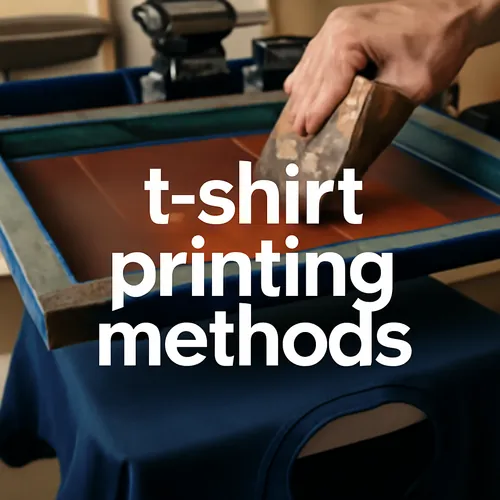
A mesh screen is made for each colour, and ink is pushed through it onto the T-shirt with a squeegee. It is the classic method for bulk orders.
- Good for: 1–4 colour logos and designs printed in large numbers, events, uniforms.
- Watch out for: high setup cost per design and per colour, which makes small orders expensive.
2. DTF (direct-to-film) printing
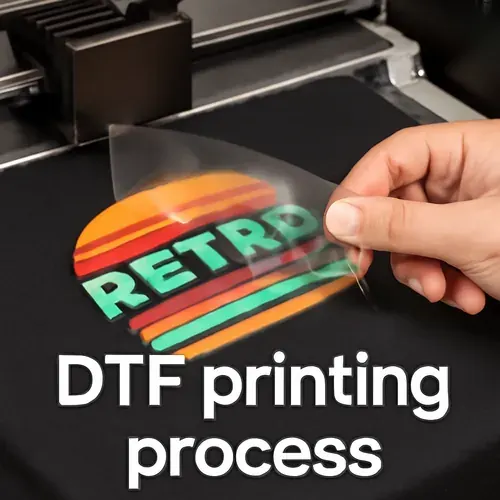
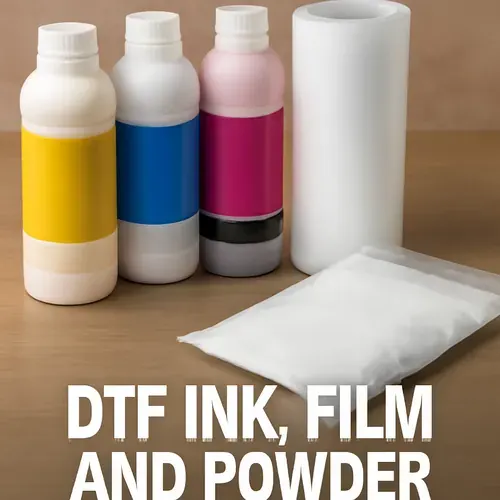
The design is printed with colour and white ink on a PET film, coated with adhesive powder, cured, and heat-pressed onto the garment. It works on cotton, polyester and blends, in light and dark colours.
- Good for: small and medium orders, full-colour art, dark T-shirts, mixed fabrics.
- Watch out for: large solid areas feel like a thin layer on the fabric.
Learn more in our complete beginner’s guide to DTF printing.
3. DTG (direct-to-garment) printing
A special inkjet printer sprays water-based ink directly into the T-shirt. Dark garments need pretreatment and a white base.
- Good for: detailed or photo designs on light cotton with a very soft feel.
- Watch out for: weaker on polyester, pretreatment step on dark colours, regular printer maintenance.
4. Sublimation printing
The design is printed on sublimation paper and heat-pressed so the ink turns to gas and bonds into polyester fibres.
- Good for: sports jerseys, dri-fit T-shirts, all-over prints, mugs and gifts.
- Watch out for: only works on polyester (or high-polyester) in white or light colours; no white ink.
5. Heat transfer vinyl (HTV)
A vinyl cutter cuts shapes or text from coloured vinyl sheets. Extra vinyl is removed by hand (“weeding”) and the design is heat-pressed onto the T-shirt.
- Good for: names, numbers, short text and simple one- or two-colour logos.
- Watch out for: slow for detailed designs; multi-colour work needs layering; photos are not possible with basic vinyl.
6. Puff printing and embroidery
These two add texture and a premium look.
- Puff printing is a type of screen printing where a special additive makes the ink rise and feel raised after heat curing. It is popular for streetwear logos and text.
- Embroidery stitches the design with thread using an embroidery machine. The design must first be “digitised” into a stitch file. It is very durable and looks premium, but suits logos and simple art more than photos, and costs more per piece for large designs.
Master comparison table: types of T-shirt printing methods
| Method | Best fabrics | Dark garments | Detail / photos | Best order size | Feel | Durability |
|---|---|---|---|---|---|---|
| Screen printing | Cotton, blends, many others | Yes (white underbase) | Limited | Large runs | Soft to thick (ink type) | Very good |
| DTF | Cotton, polyester, blends | Yes | Very good | 1 to medium runs | Thin, smooth layer | Good to very good |
| DTG | High-cotton | Yes (pretreatment) | Very good | 1 to small runs | Softest | Good |
| Sublimation | Polyester, light colours | No | Very good | 1 to large runs | No feel | Very good |
| Heat transfer vinyl | Cotton, polyester, blends | Yes | Poor (solid shapes only) | 1 to small runs | Smooth, slightly thick | Good if quality vinyl |
| Puff print | Cotton, blends | Yes | Limited | Medium to large runs | Raised, textured | Good |
| Embroidery | Most fabrics, best on thicker ones | Yes | Limited (logos, text) | Any, per-piece cost higher | Raised thread | Excellent |
This table shows general patterns. Results depend on the equipment, materials and skill of the printer.
How do these methods compare head to head?
If you are choosing between two or three methods, these focused guides go deeper:
- DTF vs DTG vs screen printing – quality, fabric and feel of the three most common methods.
- DTF vs sublimation printing – which to use for cotton, polyester and dark garments.
- Screen printing vs digital printing for your business – order size, setup cost and break-even quantity.
How do you choose the right method?
Ask yourself these four questions in order:
- What fabric? Cotton or dark colours point to DTF, DTG or screen printing. Light polyester opens up sublimation.
- How many colours and how detailed? Photos and gradients point to DTF, DTG or sublimation. Simple logos suit screen printing, vinyl or embroidery.
- How many pieces per design? One to a few dozen points to digital methods or vinyl. Hundreds of the same design point to screen printing.
- What look and feel? Zero feel: sublimation. Softest on cotton: DTG. Raised and premium: puff or embroidery. Flexible all-rounder: DTF.
For most new Indian brands selling many designs on Instagram, Meesho, Flipkart, Amazon or Myntra, the answer often comes out as DTF, because it covers the most fabrics and colours with no minimum quantity.
Do you need to buy machines to start?
No. Each method above needs its own equipment, space and skill, and buying several setups is a big investment for a new brand. Many sellers start with print-on-demand and buy machines only once they have steady orders.
PrintzyHub prints with DTF on demand, with no minimum order. You pick a blank such as the Oversize T-shirt or Hoodie, upload your artwork, and we print, pack and ship under your brand. See current base prices on the catalog and pricing page.
Conclusion
Every T-shirt printing method is good at something. Screen printing wins on bulk, DTF on flexibility, DTG on softness, sublimation on polyester, vinyl on names and numbers, and embroidery on a premium finish. Pick the one that matches your fabric, design and quantity.
Next step: order a sample to see how a DTF print looks and feels on your chosen T-shirt before you launch.
Frequently asked questions
Which T-shirt printing method is best for beginners?
For most beginners, DTF is the easiest all-round method because it works on many fabrics and colours and needs no screens. Heat transfer vinyl is also simple for names and one-colour text. If you do not want to buy any equipment, a print-on-demand partner lets you start with zero machines.
Which T-shirt printing method lasts the longest?
Embroidery, sublimation on polyester and well-cured screen printing usually last the longest. DTF also lasts well when it is pressed correctly. Vinyl can peel over time if the quality or pressing is poor.
What printing method do big clothing brands use?
Large brands often use screen printing for big runs of the same design, and embroidery for logos. Many also use digital methods like DTF or DTG for limited drops, samples and on-demand products.
What is the difference between heat transfer and DTF?
DTF is one type of heat transfer. The word heat transfer also covers vinyl (HTV), where a design is cut from coloured vinyl sheets. DTF prints full-colour artwork on film, while vinyl suits simple shapes, text and numbers in solid colours.
Can I use more than one printing method on the same T-shirt?
Yes. A common example is a DTF or screen print on the front with an embroidered logo on the chest, or a printed design with vinyl names and numbers added later. Just check that the methods suit the same fabric and heat settings.